
REGISTRATION CLOSES TODAY: MONDAY, MAY 18
ELDERS:
THE ECOLOGY OF OLD-GROWTH FORESTS
An ecological journey exploring the resilient life and enduring legacy of ancient forests.
LEARN FROM THE ELDERS
Old-growth forests are the elders of the biological landscape. Shaped by time, they remind us — in ways we often overlook — of our place within nature and what it means to belong to a world that outlives us.
ELDERS: THE ECOLOGY OF OLD-GROWTH FORESTS is an online course designed to cultivate this connection by linking human history with the living land. Through a combination of ecological narratives and practical lessons, this course equips you with the skills to identify, understand, and engage with older forests.
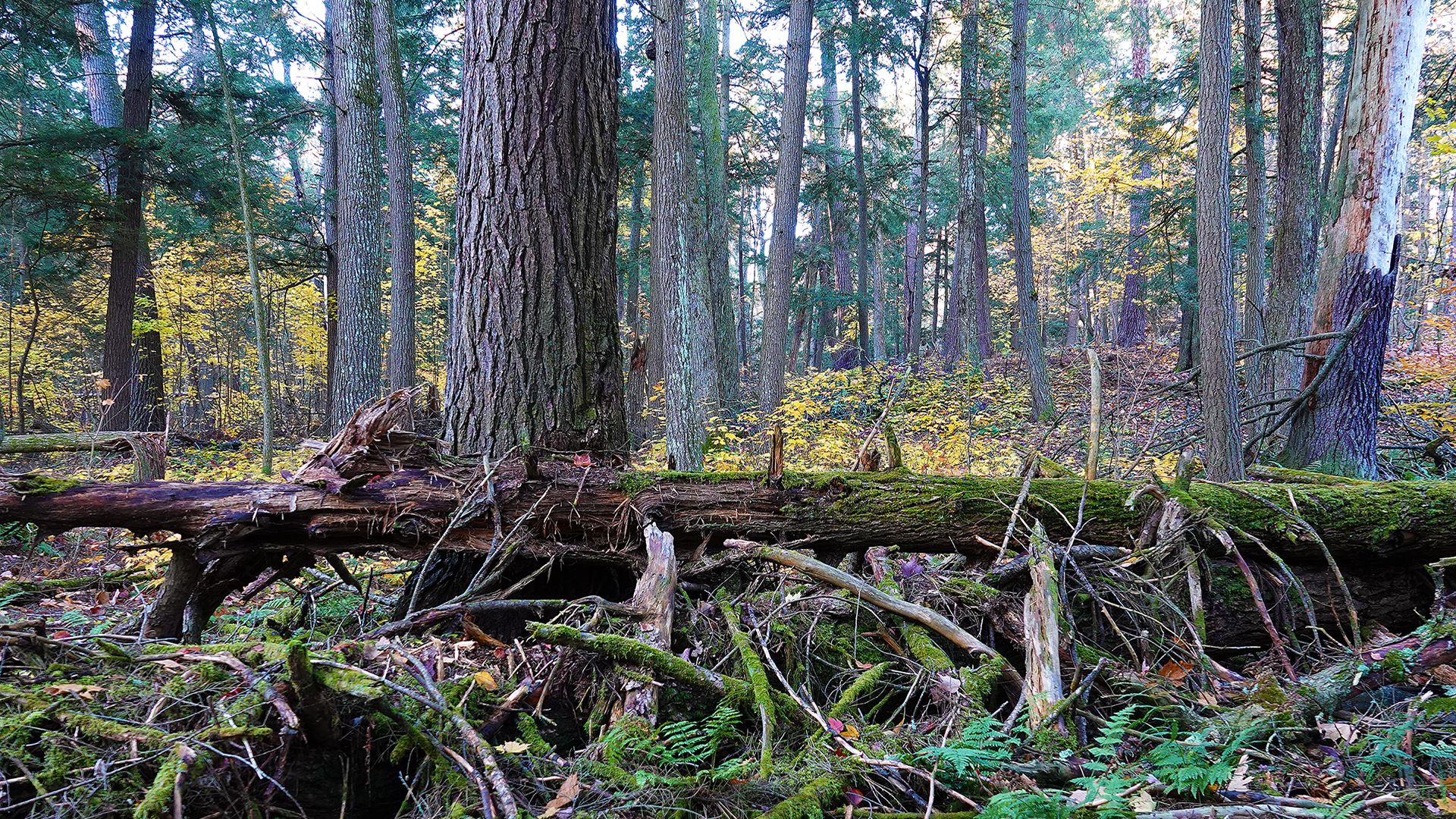
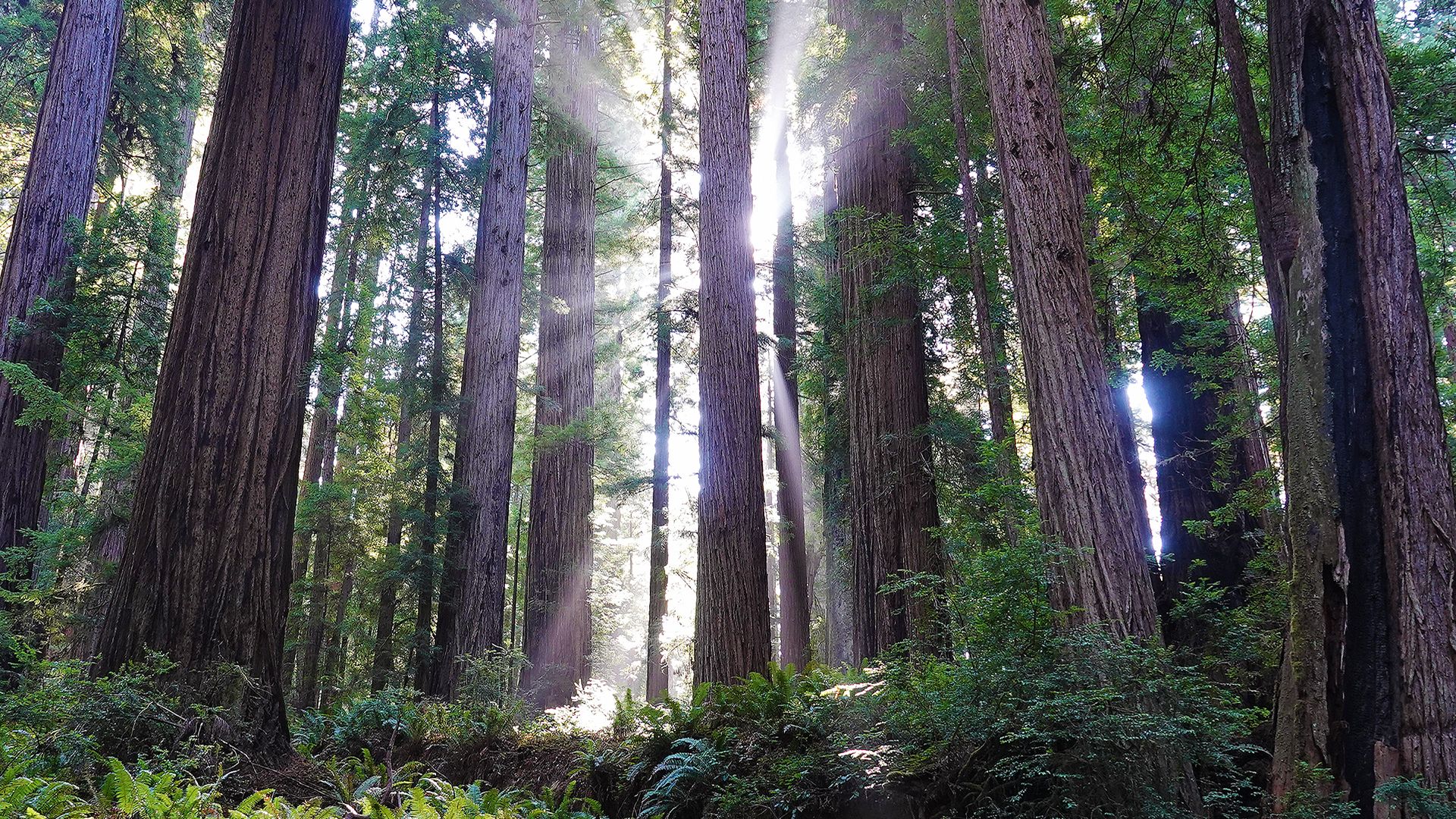
READ THE LANDSCAPE OF TIME
To understand old-growth forests, we first have to learn how to see them. What distinguishes an old-growth forest from a mature or second-growth forest? How do we recognize the indicators of age in both individual trees and entire landscapes?
This course builds your ecological literacy by teaching you how to read forests as dynamic ecosystems rather than static collections of trees. Through guided field-based lessons, you’ll gain practical skills for interpreting structure, age, and ecological history — not only in old-growth forests, but in any wooded landscape.
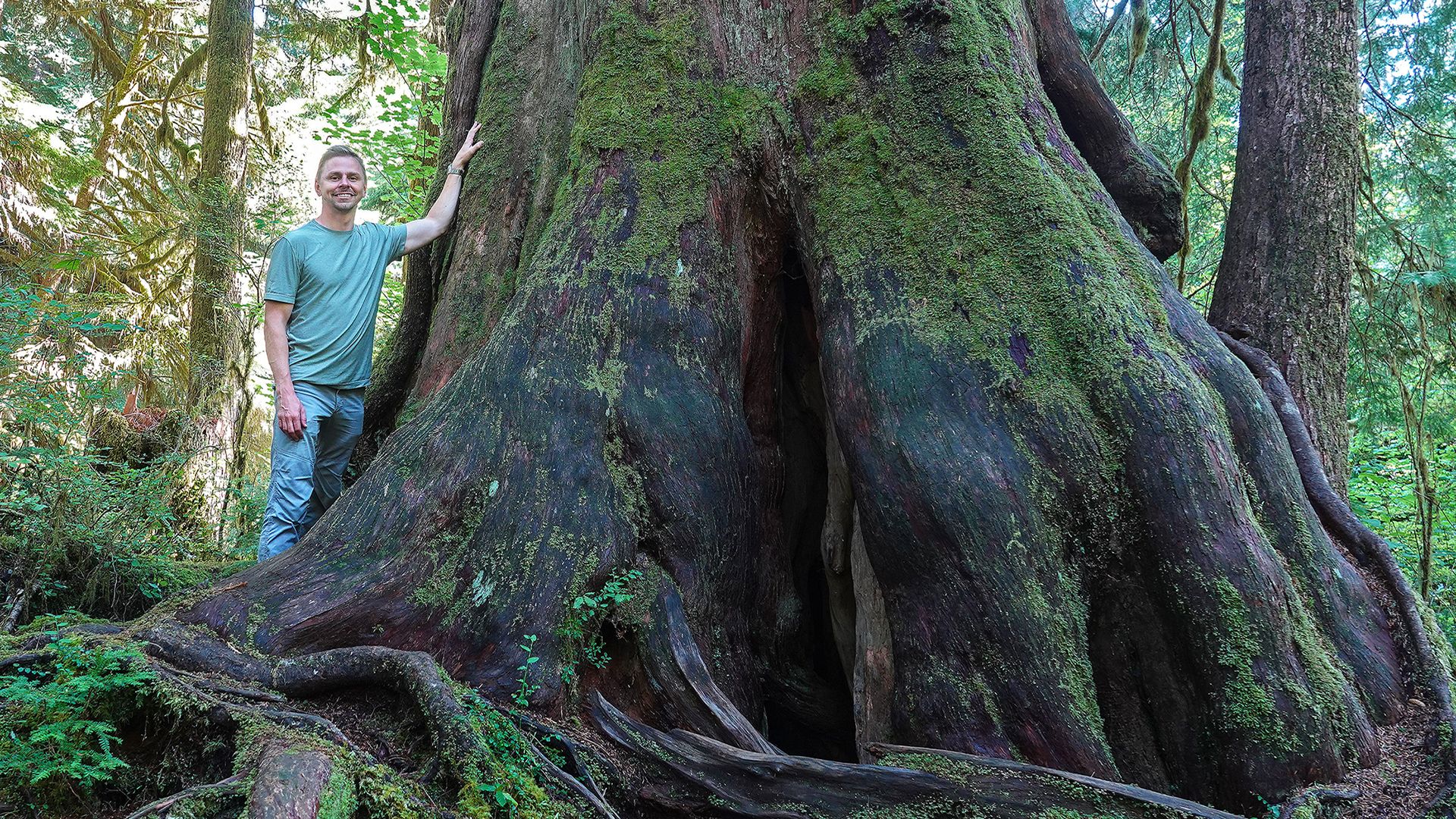
Hi, I'm Adam
I am the founder of Learn Your Land — an educational platform dedicated to bringing humans and wild places together.
The first time I walked into an older forest, I knew something was different. The trees were larger. The moss was deeper. And there was a certain quality that permeated the entire landscape.
I hadn't experienced this quality in any ecosystem before, and while it felt good to be in its presence, I couldn't make sense of it at the time.
Upon returning home and learning more about the forest I just visited, I realized what that quality was:
Age.
The forest I visited was an old-growth forest — an ecosystem that was entirely new to me.
Since then, I have traveled across North America to study and learn from these incredible places.
I've consistently asked questions like:
What are the signatures of old age in forests? How do old-growth forests differ by region? Why has there been an assault on older landscapes all over the world? And what can these forests teach us about growing old ourselves?
I created ELDERS: THE ECOLOGY OF OLD-GROWTH FORESTS to answer these questions. By enrolling in this course, you will gain the insight to interpret these remarkable places and uncover the lessons they offer us all.
WHAT YOU WILL LEARN
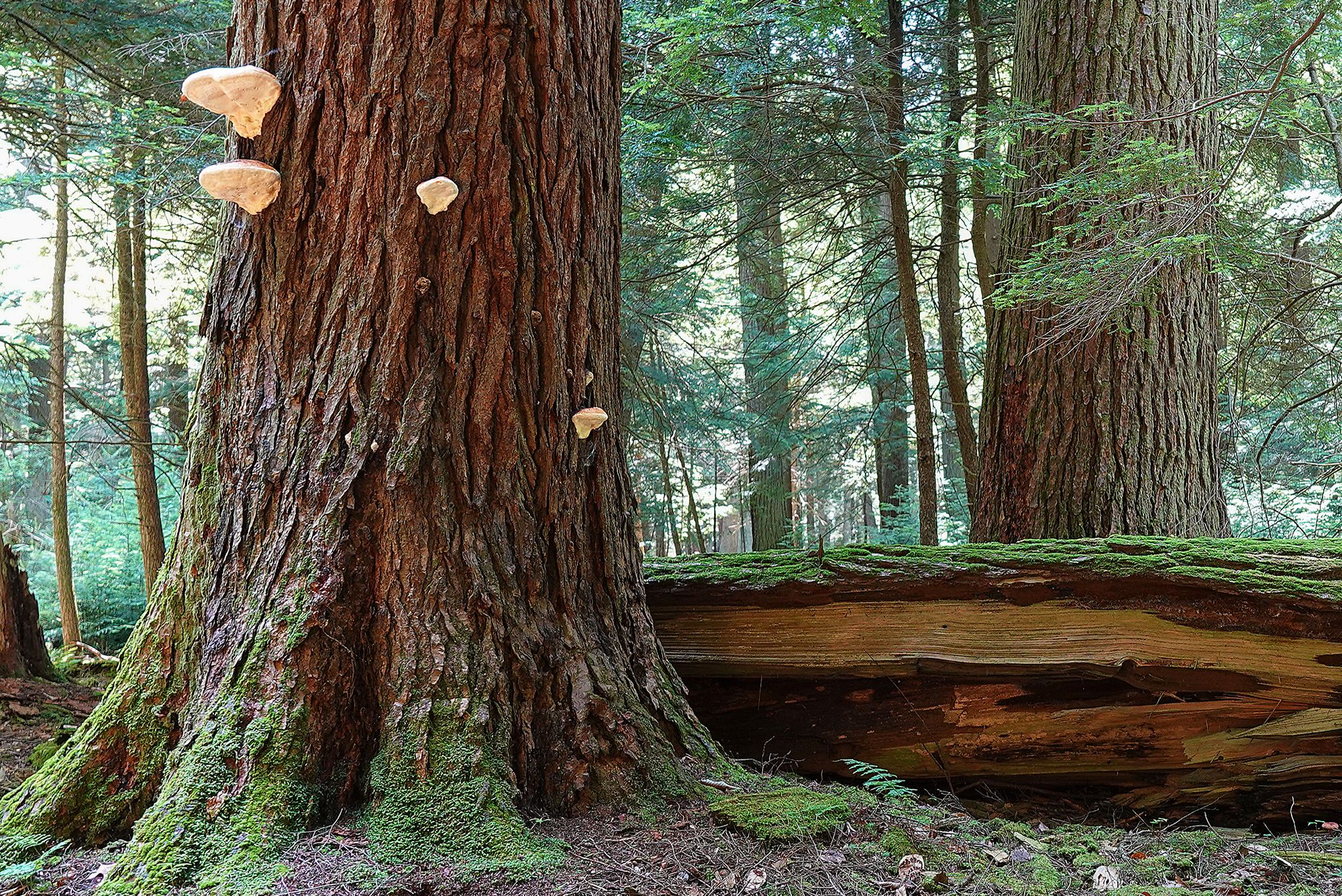
What Is An Old-Growth Forest?
We often use the term old-growth to describe any forest with big trees, but size isn't always the best indicator of age. What actually distinguishes an old-growth forest from a mature forest or a second-growth forest? Do the terms primary forest and virgin forest mean the same thing? We explore these definitions together to build a clear framework for what follows.
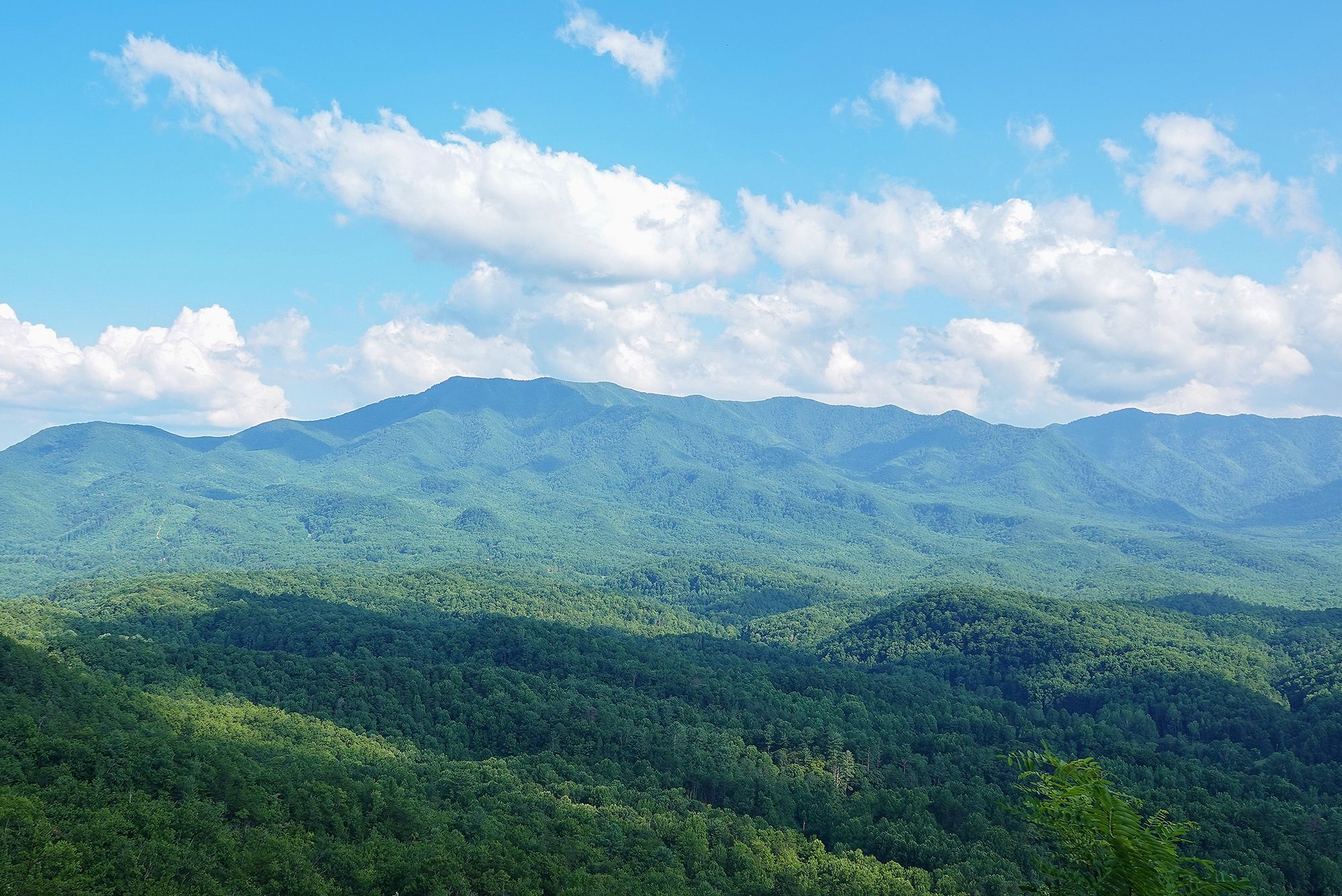
The Historical Landscape
To understand our modern forests, we must look to their past. Is it possible to determine just how much of North America was covered by old-growth forests? How did the few remaining stands escape the axe? In this course, we look back through time to see how these landscapes once looked and explore the changes that have taken place over the past few centuries.
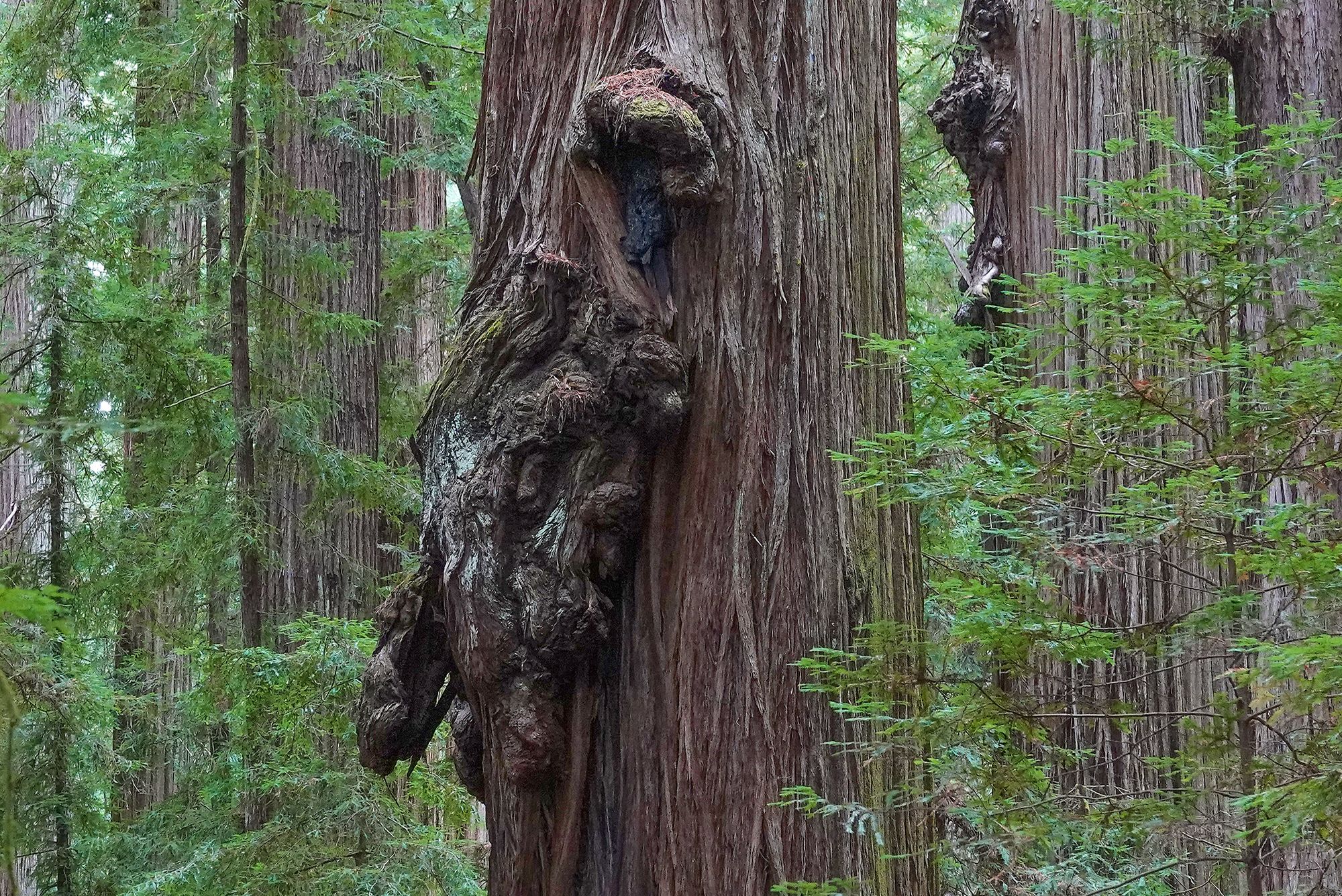
Structural Hallmarks Of Age
From the bark of a single tree to the topography of the forest floor, certain physical features characterize older forests. What are these specific features, and how can we use them as clues to read the maturity of a landscape? In this section, we identify the physical traits unique to old-growth forests to help us distinguish these ecosystems from all others.
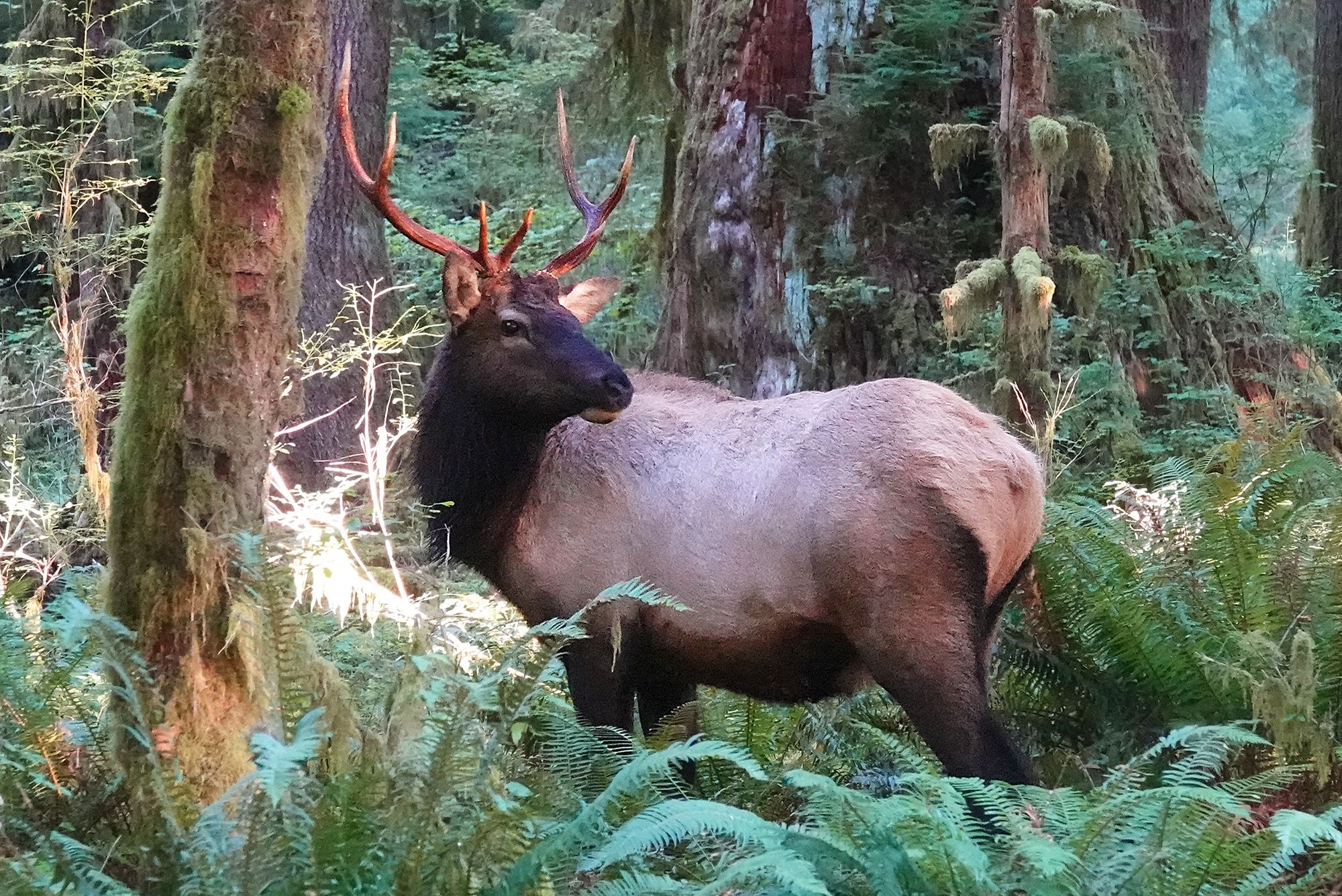
Dynamics & Relationships
An old-growth forest isn't just a collection of old trees. It's an ecosystem built on countless interactions between plants, animals, fungi, and humans. To understand how old-growth forests function, we examine the specific processes that drive them — from the geologic foundations of the landscape to the cycles of tree mortality and renewal.
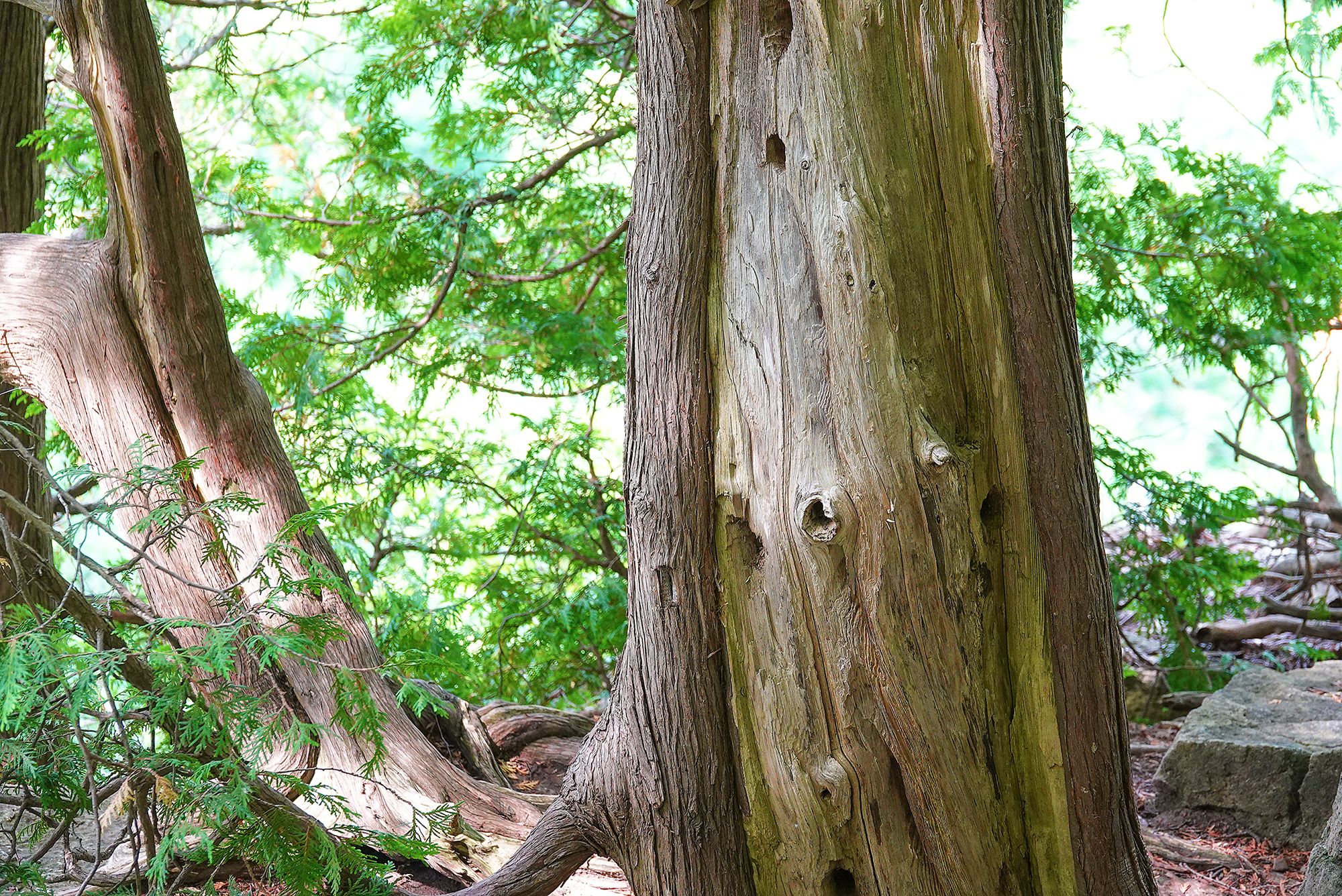
Old-Growth Across The Continent
What do all old-growth forests have in common? How do they differ? In the Case Studies module within ELDERS, we answer these questions by exploring specific old-growth forests in North America — from the rocky cliffs of the Niagara Escarpment in Canada, to the towering bottomland forests in South Carolina, to the temperate rainforests of the Pacific Northwest.
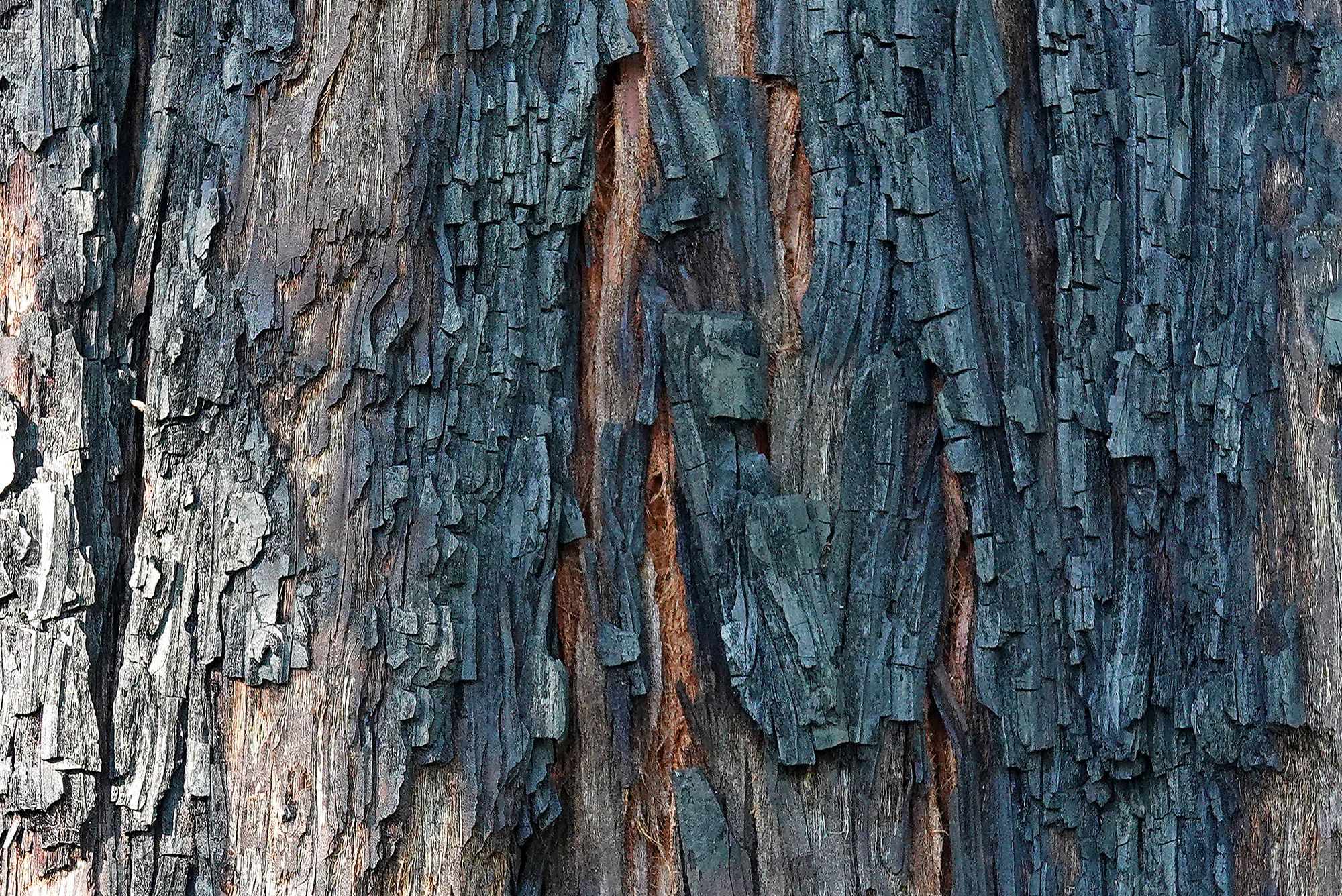
Resilience & The Future Forest
Disturbances like fire and wind have historically played important roles in shaping older forests. Yet today, the cumulative impact of modern stressors strains the long-term resilience of these ancient places. In this course, we identify the most pressing threats today and explore strategies to conserve and manage old-growth forests.
LASTING RESULTS
After completing this course, you will be able to:
- Identify key characteristics of old-growth forests, such as pits and mounds, nurse logs, ghost logs, and multi-layered canopies.
- Locate areas where remnant old-growth forests are likely to occur, and determine why these ecosystems still exist despite modern land-use pressures.
- Estimate tree age using field observation techniques.
- Recognize indicator species associated with older forests.
- Interpret the history of any forested landscape more clearly by reading signs of past disturbances, such as fire, wind, logging, farming, or disease.
- Move through wild landscapes with greater awareness and more meaning.
- Deepen your engagement with other nature practices, such as birding, foraging, hiking, and hunting.
COURSE INFORMATION
Here's what's included with ELDERS: THE ECOLOGY OF OLD-GROWTH FORESTS.
- Exclusive in-depth videos. The course includes 30 exclusive, never-before-seen videos that bring the forest directly to you. Organized into 5 modules, the field lessons within the course take you step-by-step through the process of recognizing and understanding older forests.
- Work at your own pace. Complete the course at a speed that is most convenient for you. The total length of this self-paced course is approximately 7 hours. You can put the course on hold if necessary and return to it at any time.
- Unlimited access. Once you enroll, the course and all materials are immediately available to you.
EXCLUSIVE ENROLLMENT BONUS
What the Elders Taught Me:
Personal Reflections on Forest Ecology
A Live Virtual Presentation and Q&A with Adam Haritan
All students who enroll during this registration period are invited to join Adam for an intimate exploration into the philosophy and personal insights gathered from old-growth forests. Following the live presentation, Adam will answer your specific questions in a dedicated Q&A session to help you integrate the course material into your local landscape.
*This live presentation will take place on Thursday, June 18 at 7:00 PM ET. A recording of the session will be made available in the student portal for those who cannot attend.
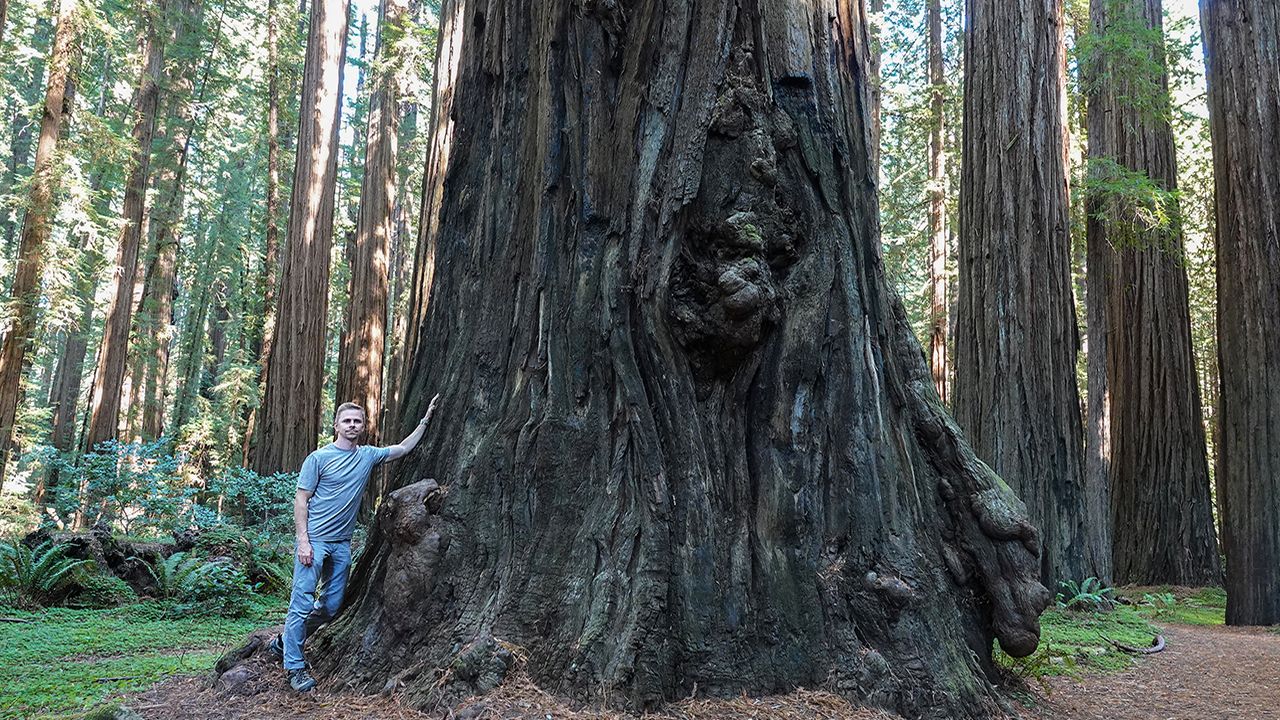
ELDERS: THE ECOLOGY OF OLD-GROWTH FORESTS
ONLINE COURSE
REGISTRATION CLOSES TODAY: MONDAY, MAY 18
WHO IS THIS COURSE FOR?
This course is designed for nature enthusiasts and curious observers with an interest in trees, ecology, and history. It is for anyone seeking to move beyond simple identification and toward a deeper connection with wild places.
While we examine old-growth forests in detail, this course is ultimately about ecological literacy. You will gain the specific skillset needed to read the story of any forest — from a centuries-old remnant to a younger, recovering woodlot in your own neighborhood.
A Note on Geography:
To provide a comprehensive look at diverse forests, lessons were filmed across southern Canada, the northeastern US, the southeastern US, the Great Lakes region, northern California, and the Pacific Northwest.
WHAT STUDENTS SAY ABOUT ADAM'S COURSES
The best teacher I have encountered
"Adam Haritan is unequivocally the best teacher I have encountered, and that is saying something given that I was a professional student for 8 years and had many teachers and professors."
— Jared S.
Student, Foraging Wild Mushrooms
Worth every penny and exceeded my expectations
"I wanted to take my mushroom skills to the next level, and this course definitely exceeded my expectations! This course is worth every penny and a great value for the knowledge you receive."
— Steve B.
Student, Foraging Wild Mushrooms
An excellent foundational starting point
"Adam's gift is his ability to effectively and beautifully communicate using the video medium. As always, Adam gave me an excellent foundational starting point so that I can more confidently continue my own ecology journey."
— Kenji M.
Student, Exploring Wild Ecosystems
Adding so much subtle magic and joy to my life
"I can't believe how much I've learned. The nuances of trees have overwhelmed me for years in my learning journey. It makes me happy to say that I now feel much more comfortable with and more aware of trees in a way that is already adding so much subtle magic and joy to my life. Needless to say, I couldn't have taken a more helpful course that will come in handy in little ways every day!"
— Skyler B.
Student, Trees In All Seasons
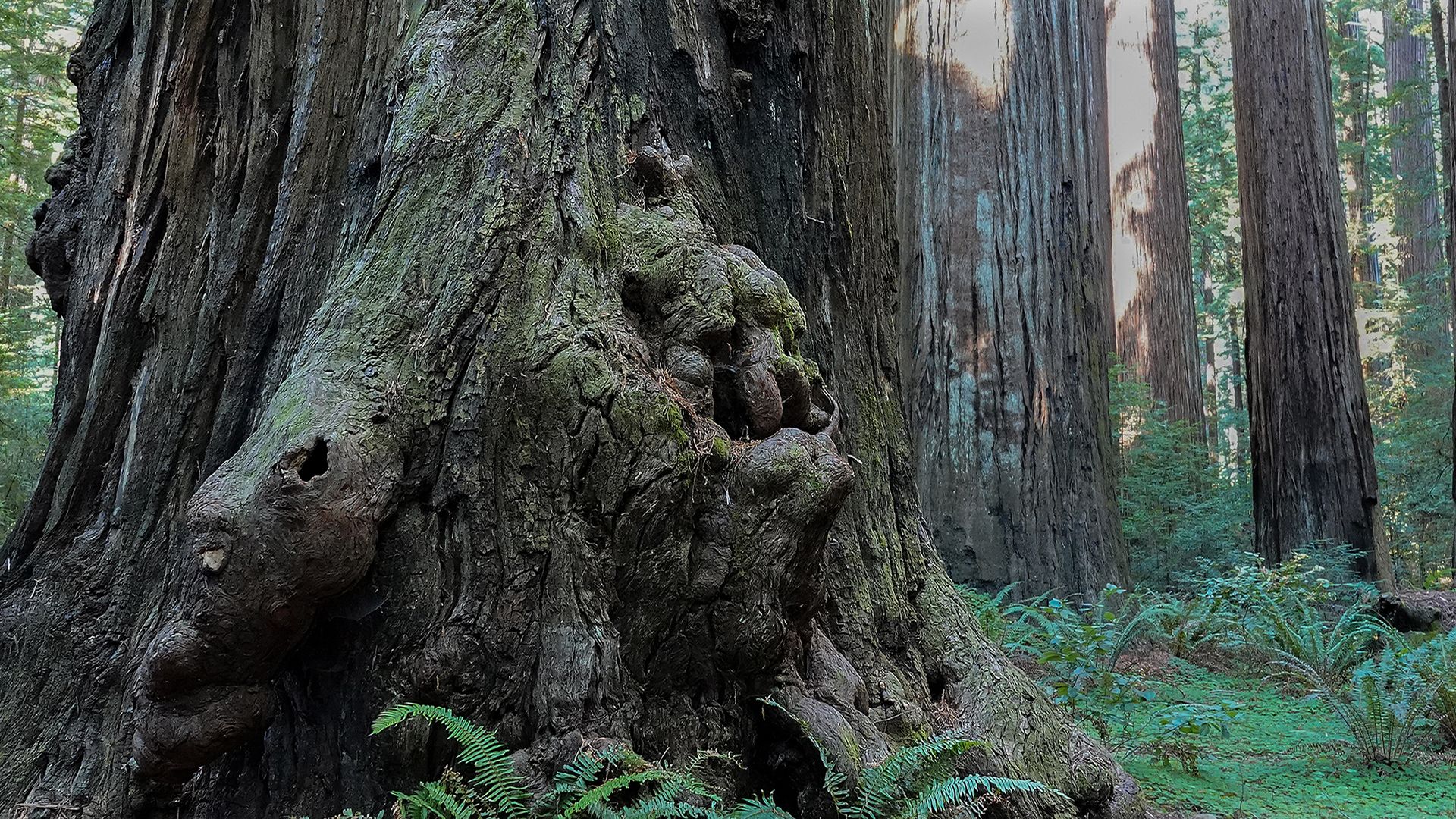
The Old-Growth Lens
Every forest is a story waiting to be read.
When you learn to read that story, you start to see things differently. You begin to discover answers you didn’t even know you were looking for. As you gain ecological literacy, every walk in the woods reveals more.
Through the lens of old-growth forests, this course equips you with the skills to uncover these deeper layers.
You will learn to interpret the history, current conditions, and future trajectory of any wooded landscape, allowing you to experience wild places with clarity, depth, and — perhaps most important of all — connection.
